Commercial Door Winter Maintenance: Sacramento County & Bay Area
Commercial overhead and rolling steel doors keep deliveries, service bays and warehouses moving. For businesses in Sacramento County and the Bay Area, a door that will not open can delay a shift; one that will not close can leave equipment and inventory exposed. Scheduling commercial door maintenance before winter gives you time to address wear, weather seals and operating problems before they interrupt the workday.
Winter preparation should match the conditions at your property. Rain, moisture around the threshold and drafts deserve attention even where freezing weather is uncommon. Facilities exposed to below-freezing temperatures need an additional check for ice-related obstructions. The maintenance plan should fit the actual door, its daily cycles and its exposure.
Rolling steel doors and sectional overhead doors need different service
A rolling steel door has a curtain of interlocking slats that travels in side guides and coils above the opening. A sectional overhead door uses hinged panels and rollers that travel along tracks. Both need maintenance, but their parts and service procedures differ. A checklist for a residential sectional garage door should not be applied blindly to a commercial rolling door.
How winter weather affects commercial rolling doors
Moisture and debris deserve attention
Leaves, dirt and pallet debris can collect around an opening, interfere with closing and hold moisture against metal. Rust, damaged finishes or bent slats deserve a closer look before repeated wet weather. Water collecting inside the threshold also needs investigation. Replacing a bottom seal may help, but it will not correct every drainage or floor-slope problem.
Worn seals make the work area harder to heat
Torn, missing or poorly fitting bottom and perimeter seals can leave gaps for outside air. That matters in a heated warehouse or repair shop where people work near the opening. An insulated curtain cannot make up for every gap around it. Seals must suit the door and allow it to move correctly, rather than simply filling every visible space.
Freezing conditions add another risk
Where temperatures fall below freezing, accumulated moisture can become ice around the opening. Do not keep running the operator against a stuck or obstructed door. Stop and arrange an inspection. If movement changes on cold mornings, have the door and operator checked together instead of assuming the motor needs replacement. Lubrication should follow the equipment manufacturer’s requirements, not a general recommendation to spray every moving surface.
How a commercial door problem disrupts your business
A door stuck closed can delay receiving, dispatch or customer vehicles. One that cannot close can leave inventory and equipment exposed and complicate after-hours security. Repeated interruptions pull employees away from their regular work, while an opening left unnecessarily open makes indoor temperatures harder to control.
For facilities with loading docks and dock doors, consider the whole bay. A working door does not solve a damaged dock seal or a leveler problem. Coordinate those inspections so the opening is ready for the way trucks, staff and equipment actually use it.
Prewinter commercial door inspection checklist
Keep routine owner checks visual and at ground level. Do not reach into guides, remove covers or stand beneath a moving door.
- Look for damaged slats, bent guides, loose-looking hardware, rust and torn weather seals.
- Check the floor around the opening for debris, pooled water and signs of water entering the building.
- During normal operation, watch from a safe position for scraping, hesitation, uneven travel or a new grinding sound.
- Notice whether the door closes fully and whether visible sensors or their wiring appear damaged or obstructed.
- Record the door location, symptoms and when they occur so the technician can investigate the pattern.
If the door is damaged, binds, moves unpredictably or has a suspected safety-device fault, stop using it, keep people clear and call for service. Never bypass a sensor to keep deliveries moving.
What commercial rolling door maintenance should include
A qualified door technician should work from the instructions for the installed door and operator. Depending on the equipment, the visit should address:
- Curtain, bottom bar, guides, hood, mounting hardware and signs of impact damage.
- Counterbalance condition and operation, including spring-related concerns where fitted.
- Drive components, bearings and manufacturer-specified lubrication points.
- Weather seals, closing fit and sources of water entry that need further attention.
- Operator travel settings, controls and applicable photo-eye or sensing-edge functions.
Commercial door operator service should include checking the door’s mechanical condition, not just its motor. Leave spring tension, guide adjustments, electrical work and safety-system diagnosis to qualified technicians. Incorrect lubricant or excessive application can also create problems; some components and door designs have different lubrication requirements.
Fire-rated rolling doors need their own inspection process
A seasonal maintenance visit does not replace required fire-door inspection and testing. If an opening has a rolling fire door, arrange inspection and drop testing with a trained rolling steel fire-door technician under the applicable requirements. Keep the records, and do not modify the assembly or its release system.
When should you schedule commercial door maintenance?
Plan a prewinter inspection early enough to assess problems and arrange any needed repairs before colder, wetter conditions affect the opening. Winter preparation should not replace your regular maintenance schedule. Service frequency should follow the manufacturer’s instructions and reflect daily cycles, exposure and condition. A frequently used receiving door may need a different plan from an opening used only occasionally. Keep a service record for each door and address new problems when they appear.
Commercial door maintenance in Sacramento County and the Bay Area
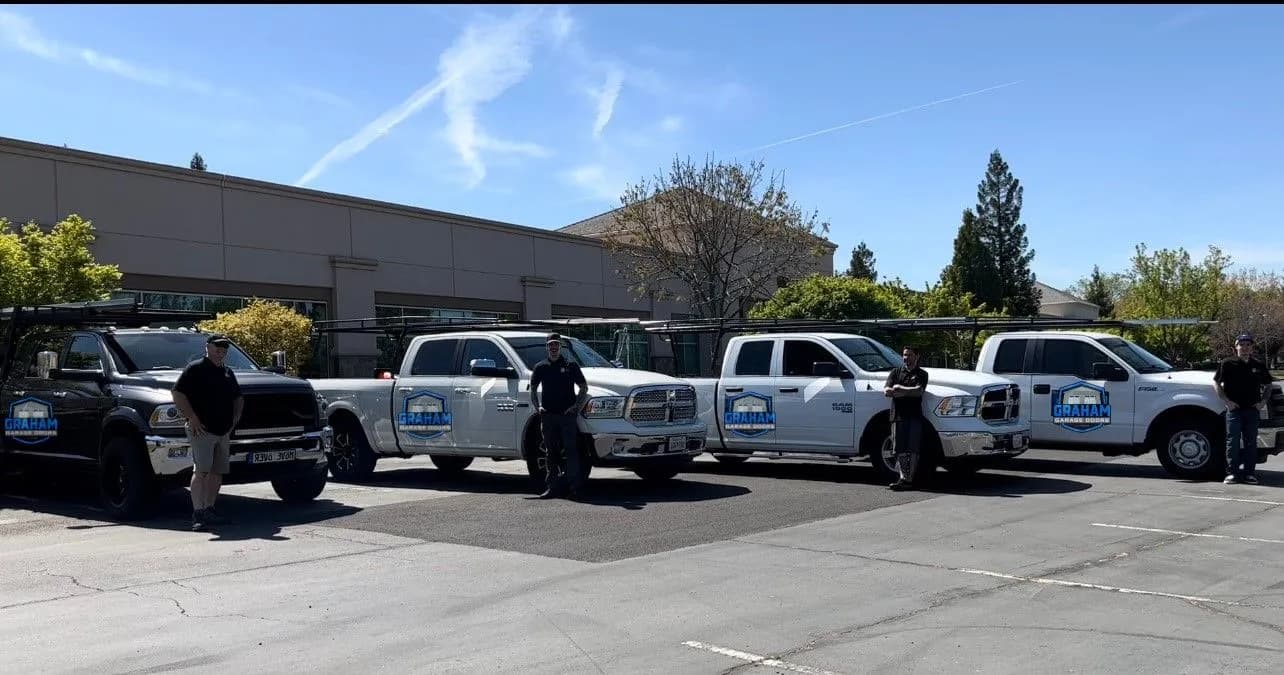
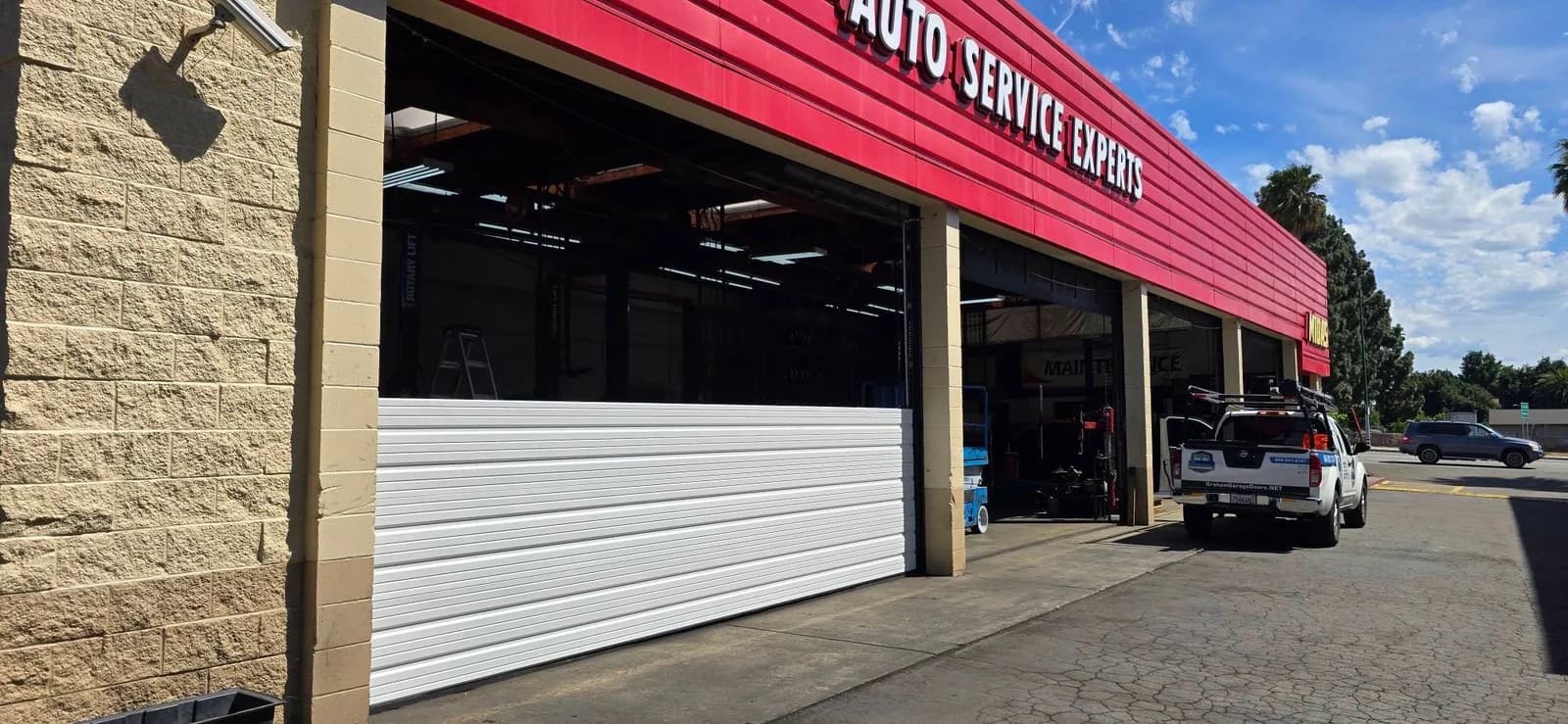
Graham Garage Doors LLC provides commercial overhead door repair and maintenance for warehouses, loading bays, auto service shops and other commercial properties in Sacramento County and Bay Area communities, including Alameda, Contra Costa and Santa Clara counties. Check our Northern California service areas for your location.
To discuss a prewinter inspection, call (866) 901-3737 or request commercial door service. Tell us your property location, door type, number of openings and the symptoms you have noticed. Let us know which doors are essential to deliveries or daily operations so we can plan the right assessment.